I’m sat at my keyboard wondering a lot of things. Whether a proposal I sent to an agent will be accepted, give or take some re-working if she likes it enough to ask me to do that. How long it will take before I can move house, and if it is really just a case of waiting until our house-buyer is ready. Not knowing these things is really uncomfortable but also they are things that will be over and probably soon. What is my year going to be like? Ask me at the end of it when I will know. These are questions that have definite answers that some time in the future people will be able to say ‘yes, that happened’ and ‘no that didn’t’.
Writing about archaeology is very often not like that at all. The answer is more often ‘this is what we think right now,’ which makes academics cautious about making bold statements. This is because we are writing about things we are finding out now, and don’t know what is coming in the future as well as the fact that we can see some glaring gaps in what we know. Of course there are questions that do have quite clear answers – when and where a particular piece of Roman pottery was made, for example. Sherds of pottery are common finds in excavations and as pottery was mass-produced there are lots of different forms that can be identified by specialists. Comparing these forms with chemical and petrographic analyses of the materials they’re made from means they can be pretty sure about their findings. Once we think we know, we stop asking the question – and that is a very comfortable position to be in. It’s also often misleading. People tell stories that later turn out to be wrong but by then myths have been established that can be creative and satisfying but become difficult to uproot. The courageous and faithful guard who stayed at his post at Pompeii’s Herculaneum Gate is a great example of this.
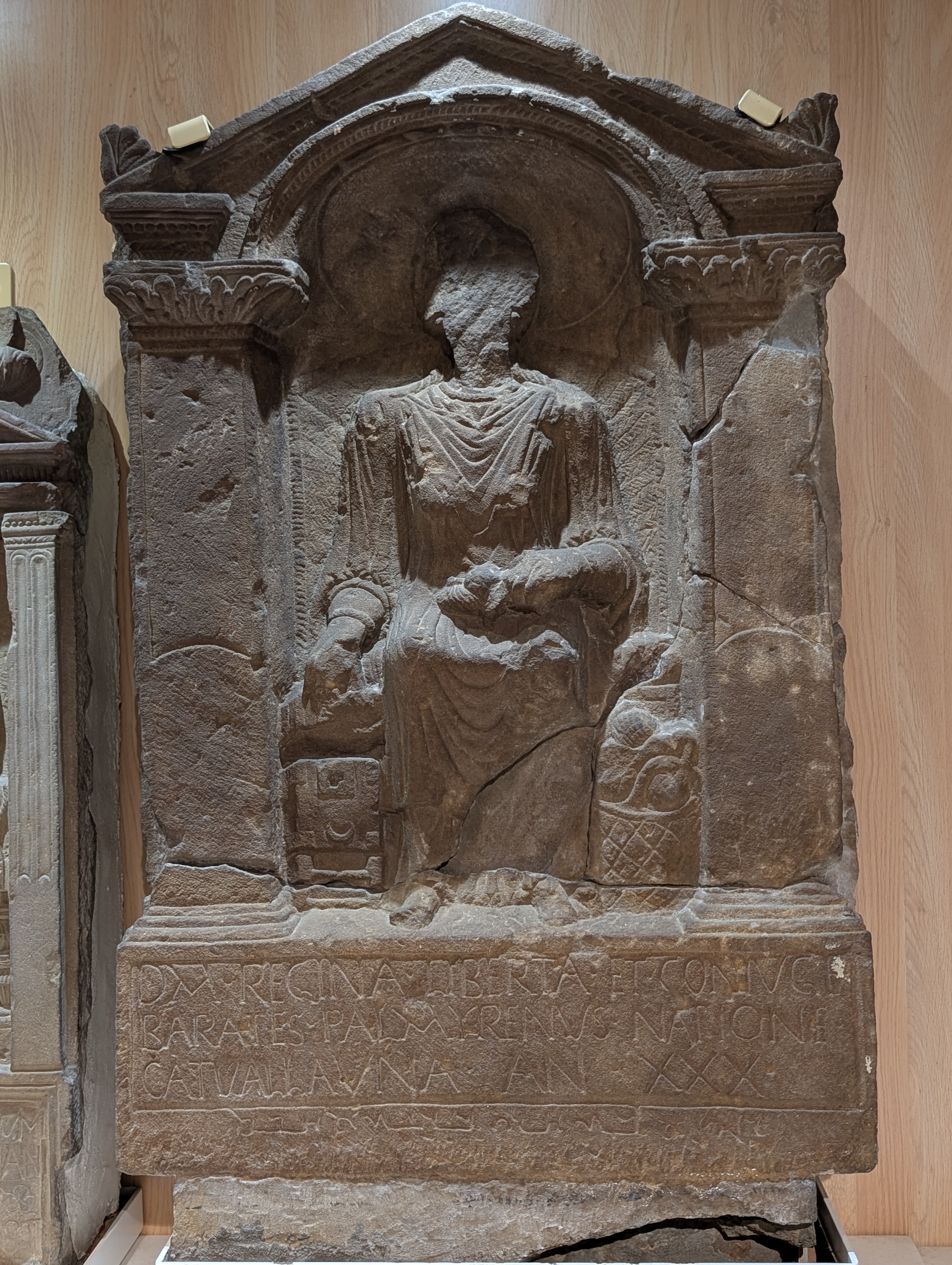
More often we have to deal with uncertainty and finding out new things that change what we think we know. Such as who else apart from the soldiers were with the Roman army when they rampaged about conquering and what were their parts in history? We’re now a lot more interested in the merchants and traders, wives and families as well as local people and people who were enslaved than we used to be. This is something that interests me and lots of people who study the Roman army, and so I have written a book about about the evidence from around Hadrian’s Wall and what I think the answers are – at least for now.
Archaeology is really about not-knowing everything and archaeologists focus at least as much on the questions as the answers. This can make it hard to write stories about the past for people who are not academics and are interested in knowing ‘what was it like’ rather than unsatisfying ‘probably’ or ‘maybe’ answers that might turn out not to be right at all. We’re also not journalists whose questions are also about facts but ones that have answers that can be quickly established and need to be speedily found out and written up. A lot of the questions we deal with don’t have right answers and don’t die off after an excavation report or academic paper has been written. These are really questions that are as much about our own lives as people’s lives in the past, which is what archaeologists, journalists, and anyone interested in history are dealing with. Answers are always questionable.
I think that’s going to be how I try to approach 2026. Try to be even more questioning about what I know. One way of doing this is to turn your statements into questions rather than certainties. More revealing is probably to think about why you ask some questions and don’t ask others. That is probably even more uncomfortable and there will be no perfect, dead right answers to be found, but it’s a process of how life and history writing goes on to find new answers.

 Dr. Claire Millington
You must be logged in to post a comment.